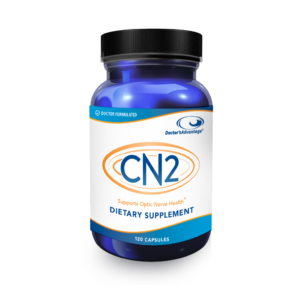
ü Ginkgo Bilboa 120 mg
Studies confirm ginkgo is a powerful antioxidant. It increases blood flow to the retina and slows down retinal deterioration. The result is an increase of visual acuity. Ginkgo bilboa has been used for medicinal purposes for years. Ginko Biloba has been shown to improve blood flow and microcirculation to small capillaries such as those in the eyes. Glaucoma Research: Studies indicate ginkgo bilboa is beneficial for those with glaucoma in two specific ways; significantly improving visual field indices and helping people with normal tension glaucoma.
ü Vitamin B-12 (as Cyanocobalamin) 6 mcg
Vitamin B12 helps to preserve eyesight in glaucoma patients. In a clinical study, glaucoma patients received vitamin B12 daily for five years. The treatment resulted in a reduction in the loss of peripheral vision, more stable visual acuity and better control of eye fluid pressure. The effects of vitamin B12 were attributed to its ability to preserve of myelin, which insulates nerve cells in the eyes.
ü Vitamin C (as Ascorbic Acid) 300 mg
Vitamin C is another critical nutrient for good overall and specifically for eye health. As an antioxidant, its role is to lessen oxidative stress on the cells of our body. For glaucoma its main benefit is: Reduction of eye pressure in glaucoma patients.
ü Vitamin E (as d-alpha Tocopherol) 30 IU
Vitamin E is now known to affect the expression and activity of immune and inflammatory cells, to enhance vasodilatation, and to inhibit the activity of the important cell signaling molecule protein kinase C (PKC). Vitamin E and PKC could also have a vaso-regulatory effect in the retina. These findings prompted researchers to evaluate the clinical potential of vitamin E in glaucoma patients. They reported prevention of visual field loss in this study.
ü Alpha-Lipoic Acid 150 mg
Alpha-Lipoic Acid is an antioxidant that prevents or impedes cell oxidation or destruction by free radicals. It has been called the "ideal antioxidant" because it is both water and fat soluble, which means it penetrates tissues composed mainly of fat like the nervous system or tissues made mainly of water like the heart. Alpha-lipoic acid has numerous reported health benefits including the following for people with glaucoma: Enhancement of color, visual fields and visual sensitivity, improved visual function, and reduction in neuronal damage in the eyes.
ü Magnesium 200 mg
Magnesium (via its role as a calcium channel blocker) blocks the entry of calcium into cells, producing relaxation of constricted blood vessels in the eyes (which is beneficial for glaucoma patients). In a clinical study, four weeks of magnesium supplementation improved blood circulation and visual field in glaucoma patients.
ü Chromium Picolinate 150 mg
This micronutrient has been studied intensely. Numerous scientific studies show that chromium allows muscles, such as the fine muscles of the eyes, to contract properly. Glaucoma Research: Chromium is an important trace nutrient for those who have glaucoma due to the following benefits: Enables the eyes to focus without straining and helps to reduce intra-ocular pressure.
ü EyeShield Complex® 1,032 mg
Taurine, Grape Seed Extract, Citrus Bioflavonoids, Bilberry, Quercetin, Choline, Vinpocetine, Co-Q10.
ü Grape Seed Extract
Grape seed extract improves blood flow in the eye's tiny vessels and warding off the free-radical damage that cause eye macular degeneration. In addition, findings of one recent study indicate that taking Grape Seed Extract daily will ease eyestrain and enhance perception of contrast after just 60 days, especially useful for people who stare at computer monitors for extended periods.
ü Citrus Bioflavonoid
Citrus flavonoids, found in bilberry, purple cabbage, and grapes, possibly protect the eyes from developing cataracts.
ü Bilberry
Bilberry is thought to improve night vision. A close relative of the cranberry, bilberry is high in a certain type of bioflavonoid that speeds the regeneration of rhodopsin, the purple pigment used by the eyes' rods. Flavonoids are plant pigments that have excellent antioxidant properties; they have been shown to help prevent a number of long-term illnesses such as heart disease, cancer, and macular degeneration, the leading cause of vision loss and legal blindness in Americans age 65 and older, according to the eye-health organization Prevent Blindness America.
ü Quercetin
Quercetin as a bioflavonoid protects the eye from sun radiation plus being beneficial to the diabetic eye. Quercetin reduces the leakage from damaged small blood vessels in the retina.
ü Choline
Activates growth and repair in tissues, and boosts immune systems. Choline is also an antioxidant supporting healthy function of all organs, glands and connective tissues.
ü Vinpocetine
Vinpocetine can help improve vision. It does not really repair the eyes; rather it improves the centers of the brain involved with vision, which helps improve sight.
ü Taurine
Taurine plays a role in the process of rhodopsin regeneration necessary for night vision. It is essential to the retinal pigment epithelium and the photoreceptors where it is found at levels ten times higher than other amino acids. Taurine helps to protect the cell membranes from oxidative attack. It helps transport nutrients across cell membranes, acts as a catalyst to retinal cells that remove cellular debris and assists in the elimination of potentially toxic substances. Taurine in combination with retinol protects lipids twice as much as retinol by itself. Taurine also protects the rod outer segment lipids during exposure to cyclic light. Several studies have shown definite correlations between taurine deficiency and retinal degenerations.
ü CoQ-10
This nutrient has been studied in the context of age-related macular degeneration. The effects of coenzyme Q10 combined with acetyl-L-carnitine and omega-3 fatty acids, researchers found that the nutrient mix improved and stabilized visual functions in patients with early age-related macular degeneration.
ü N-Acetyl-Cysteine 200 mg
NAC is a component of glutathione, a potent antioxidant, and supplementation with NAC has been shown to increase glutathione levels in various tissues of the body. It is possible that NAC protects the tear film by increasing glutathione levels in the eye, thereby preventing the oxidation of phosphatidylethanolamine and sphingomyelin.
ü Lutein (FloraGLO®) 10 mg
Lutein is sometimes referred to as the “eye protective nutrient.” Studies indicate that daily intakes of 6 mg to 10 mg are beneficial for promoting eye health. Studies show that lutein and its co-existing molecule zeaxanthin are the predominant antioxidant pigments and the only carotenoids found in the macula and lens.
ü Folate (Folic Acid) 400 mcg
Folic acid, another of the B vitamins, prevents anemia, is important for new cell growth, and is vital in the early months of fetal development (a deficiency has been linked to spinal bifida). Experts have found that some patients with visual problems improve when folic acid is added to their diet. It is easy to get enough folic acid if you eat a lot of raw green, leafy vegetables and fresh, ripe raw fruits. Folic acid is also present in liver, eggs, asparagus, bean sprouts, garbanzo beans, whole wheat, and salmon.